
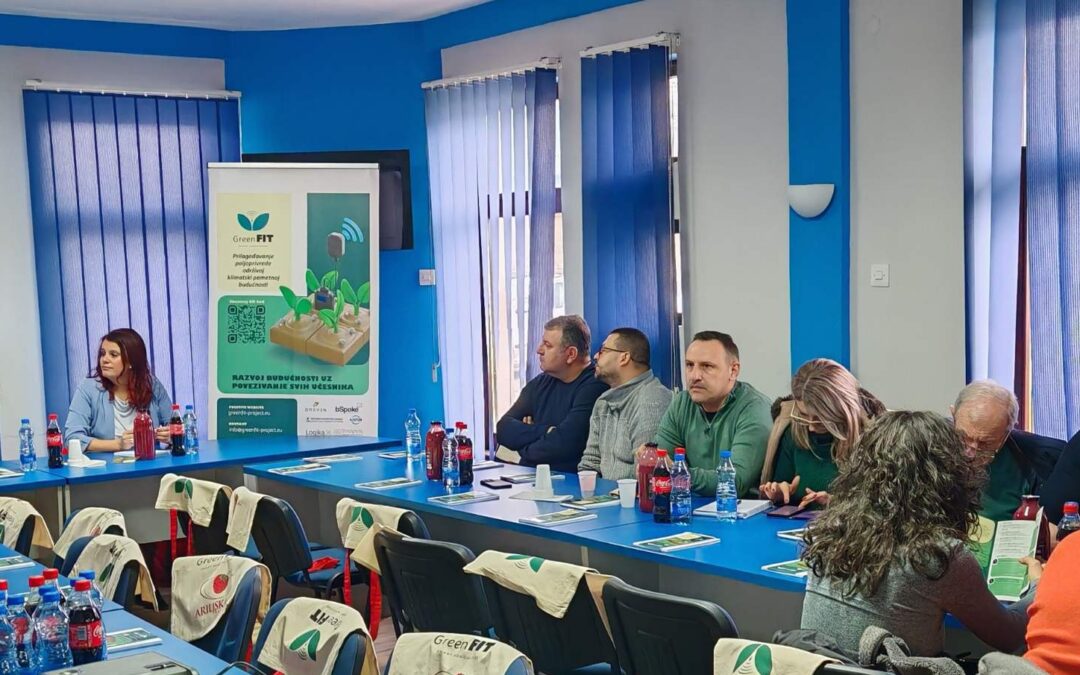
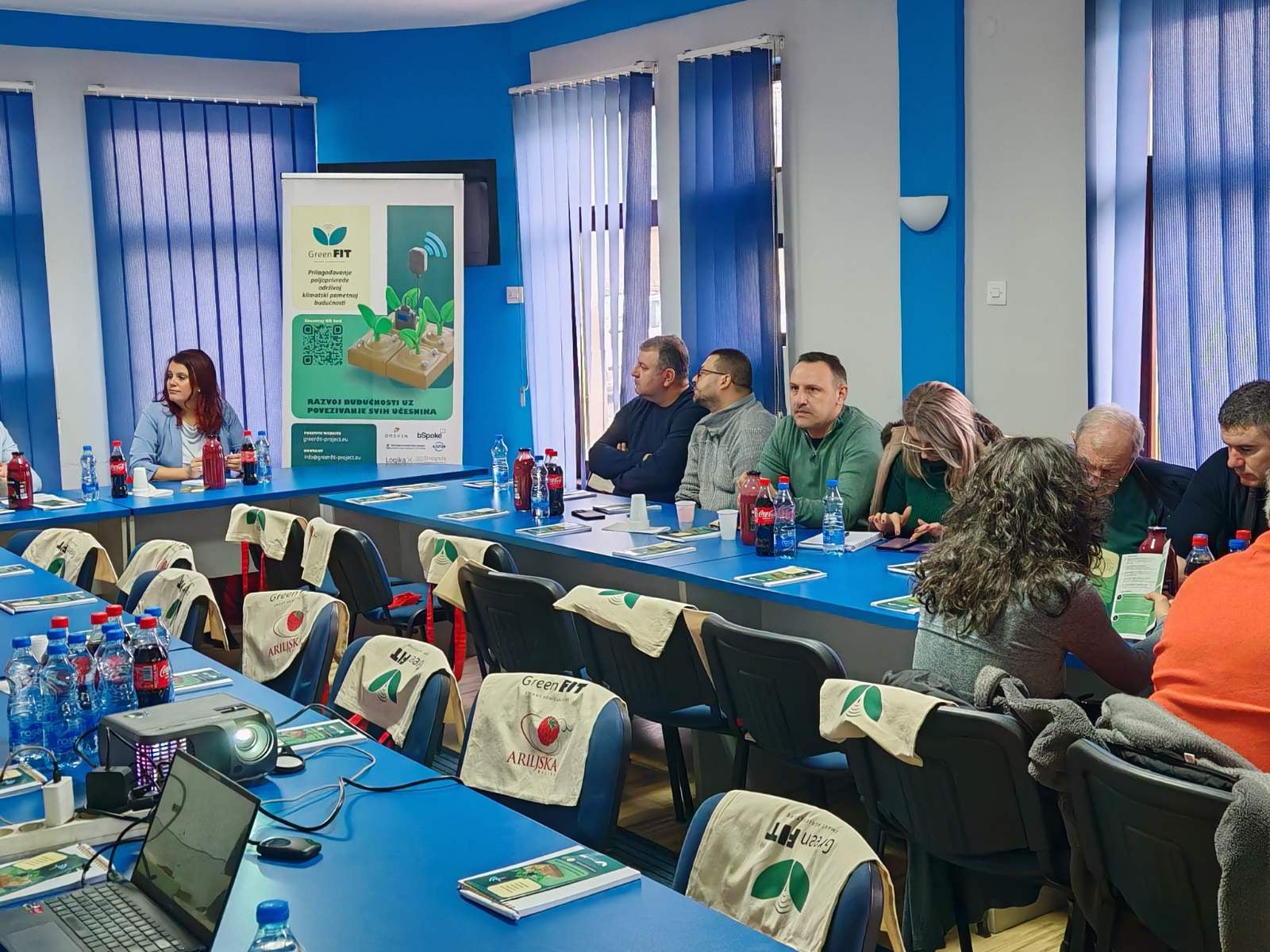
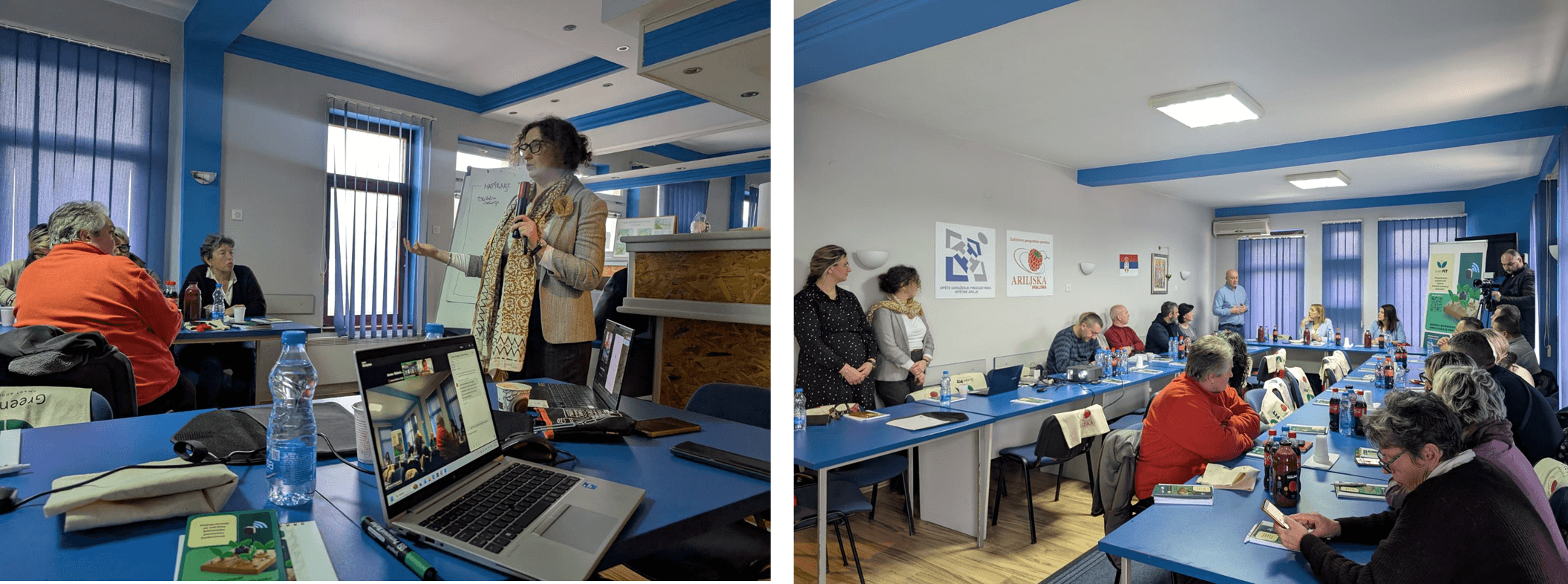
On 13 February 2026, our Serbian partner, Ariljska malina, conducted its focus group bringing together 18 participants, including farmers, processors, advisors, policymakers, researchers, and civil society representatives. The hybrid session explored the key barriers, incentives, and behavioural factors influencing the adoption of green and digital technologies in Serbian agriculture.
Familiarity with Digital Technologies
Participants indicated that familiarity with digital technologies remains relatively low, particularly among older farmers. While some producers engage with basic digital requirements, often with support from family members or advisors, most have limited direct experience with advanced tools. Awareness of available solutions is also low, and digitalisation is not yet widely perceived as essential to everyday farming practices.
Main Identified Barriers to Adoption
The discussion revealed several interconnected technological, infrastructural, and behavioural barriers. A major challenge is the low level of digital knowledge and awareness, particularly among older producers, which limits both understanding and interest in adopting new solutions. This is compounded by a lack of targeted training and education, as most existing training focuses on production rather than digital tools.
Infrastructure limitations also play a critical role, as insufficient internet coverage, weak mobile networks, and even unstable electricity supply in some rural areas make the use of digital technologies difficult or impossible. Additionally, outdated machinery and equipment restrict the integration of modern solutions, especially for small and medium-sized farms that lack the financial capacity to upgrade. Overall, participants emphasised that behavioural factors, such as resistance to change and limited awareness of benefits, are deeply interconnected with these structural barriers.
Key Incentives for Adoption
Participants identified several incentives that could support adoption, particularly when aligned with farmers’ real needs. Tailor-made digital solutions adapted to local farming conditions were seen as essential, alongside practical, field-based training and awareness campaigns at both local and national levels. Stronger involvement of policymakers and advisory services was also highlighted as critical to signal the importance of digitalisation and support its uptake. In addition, developing solutions that can function offline would help overcome infrastructure constraints, while engaging young people in agriculture was seen as a key opportunity to drive innovation and long-term change. Overall, the most influential incentives combine practical training, policy support, and solutions that clearly demonstrate tangible benefits in real farming conditions.
Conclusion
Adoption of green and digital technologies in Serbia remains constrained by low awareness, limited skills, and infrastructural challenges, with behavioural resistance playing a key role. However, there is clear potential to accelerate uptake through tailored solutions, practical training, and visible on-farm results. Stronger involvement of policymakers and support for younger generations will also be important in driving wider adoption.