
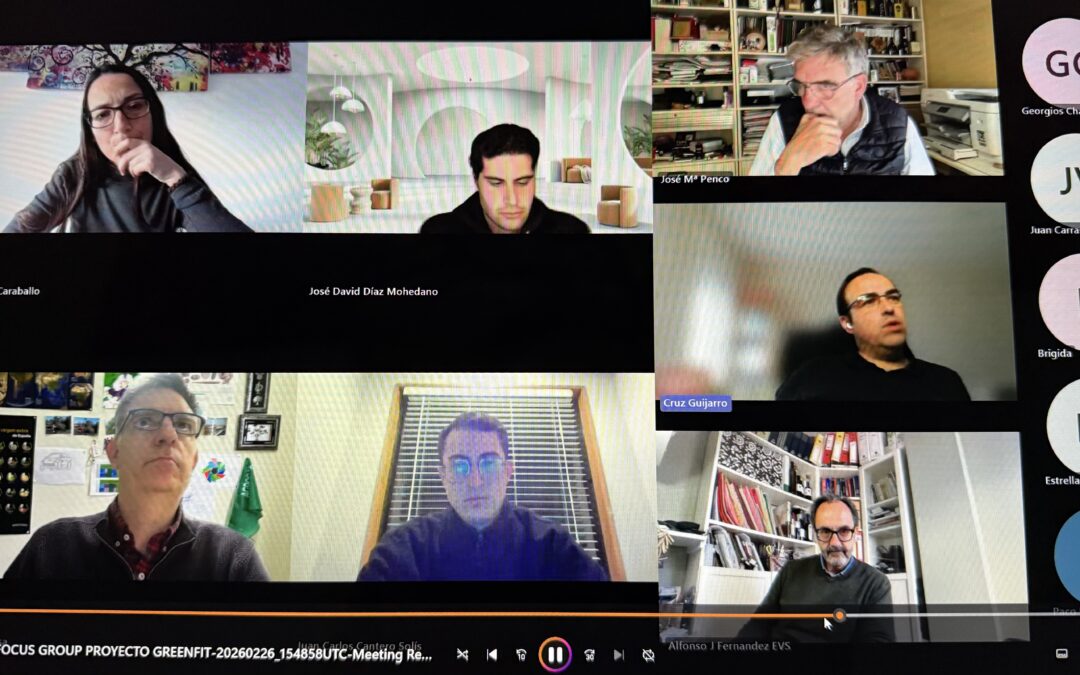
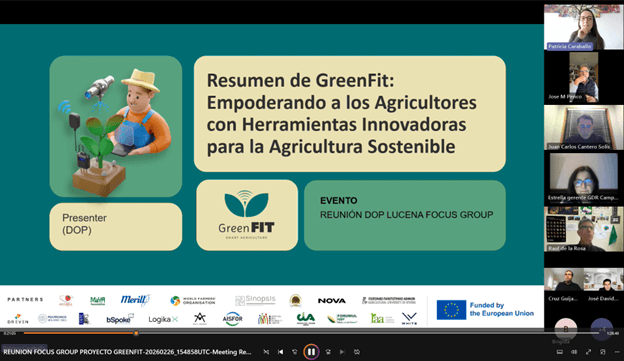
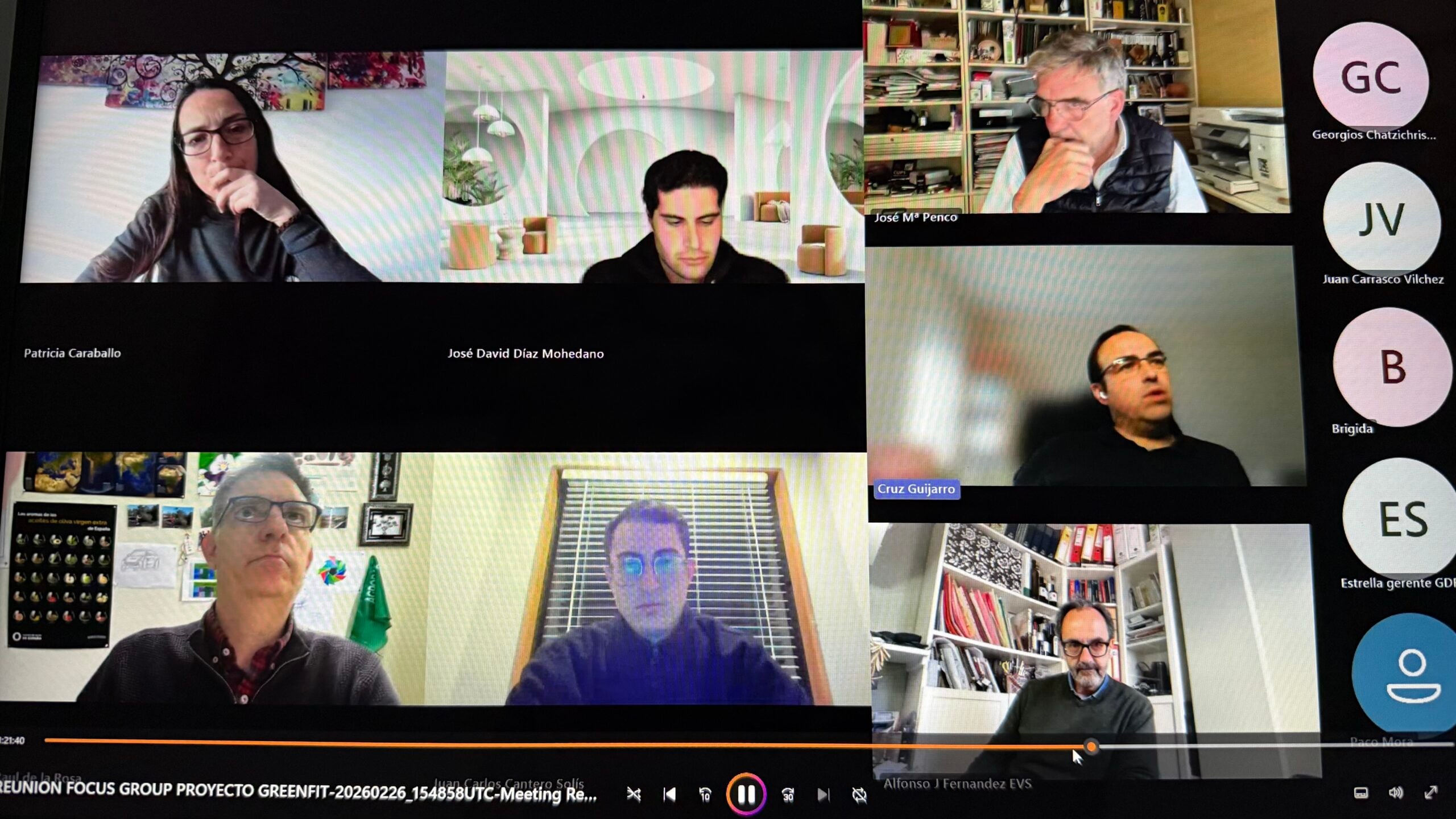
In Spain, on 26 February 2026, our partner. the Consejo Regulador Denominación de Origen Aceite de Lucena organised an online focus group bringing together 12 key actors from the olive sector, including farmers, technical experts, and sector representatives. The discussion provided valuable insights into the realities of olive production, particularly in traditional and mountainous areas.
Familiarity with Green & Digital Technologies
The discussion revealed a moderate to low level of familiarity with advanced digital tools among farmers. While some technologies such as irrigation management apps exist, their actual use remains limited. A key issue is not only access to technology, but also the capacity to understand and apply it effectively. Many farmers are more comfortable with practical, experience-based knowledge rather than data-driven systems.
Main Barriers to Adoption
The main barriers to adoption include the aging farming population and limited digital skills, which make complex technologies difficult to use. Farmers are also cautious about investing in tools without clear economic benefits and often reject solutions that add workload or lack practical value. Additionally, there is a gap between data collection and actionable insights, and technologies must be tailored to different farm types, as solutions for large, flat farms often don’t apply to small mountain olive groves.
Key Incentives for Adoption
The most important incentives for adoption focus on usability, support, and trust. Technologies need to be easy-to-use and deliver quick, visible results, with gradual, step-by-step implementation helping to build confidence. Peer learning and real-life success stories are also key motivators, alongside technical advisors who guide farmers in integrating new tools into daily practices. Finally, ensuring data security and control is essential, with safe data-sharing environments allowing farmers to benefit directly from their information and fostering trust in technological solutions.
Conclusion
The Spanish Focus Group highlights that the transition to climate-smart agriculture in the olive sector is not only a technological challenge, but also a social and economic one. To succeed, GreenFit must prioritize simplicity, usability, and real economic value, while strengthening advisory systems and ensuring that solutions are adapted to local farming realities. By addressing these factors, the project can play a key role in supporting a more resilient and sustainable future for olive farming.